
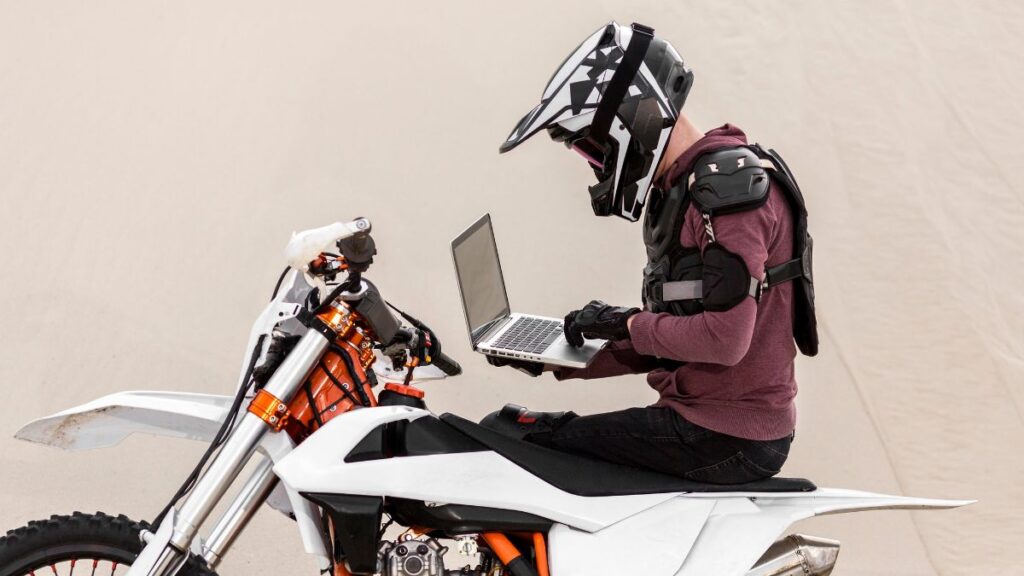
A new breed of rider demands versatility, seeking adventure on winding roads and rocky paths alike. This is the world of dual sport riding, and the cornerstone of a safe and enjoyable experience is the helmet that sits on your head. The dual sport helmet, also known as an adventure or ADV helmet, is the ultimate piece of gear for those who refuse to be confined to a single surface . It’s a masterful hybrid, blending the best elements of a motocross helmet with the refined features of a full-face street helmet.
What Exactly is a Dual Sport Helmet?
A dual sport helmet is engineered for versatility . At a glance, it looks like a dirt bike helmet but with distinct road-friendly features. Imagine the robust, elongated chin bar and excellent ventilation of an off-road helmet, combined with the aerodynamic shell and built-in face shield of a street helmet. This “hybrid” design allows riders to seamlessly transition from cruising on the highway to tackling dusty trails without needing to swap gear .
The defining visual characteristic of a dual sport helmet is its peak visor. This is the bill-like extension on the top of the helmet, a feature inherited from motocross. Far from being just for aesthetics, this peak serves critical functions: it deflects the sun’s glare, shields your eyes from roost (mud and rocks kicked up by the front wheel), and pushes low-hanging branches away from your face on tight trails .
Key Features of a Dual Sport Helmet
The Visor System: Versatility at its Core
The most significant advantage of a dual sport helmet is its flexible vision system. On the road, you can use the integrated face shield for protection against wind, rain, and debris at high speeds. When the pavement ends, this shield can be flipped up, and you can wear a pair of goggles for superior eye protection and airflow in dusty, open environments . Some high-end models even offer tool-less shield swaps, making the transition effortless .
Safety Certifications
Safety is non-negotiable, and reputable dual sport helmets meet and exceed stringent safety standards. Look for helmets carrying DOT (Department of Transportation) and ECE (Economic Commission for Europe) certifications, which indicate they have passed rigorous impact and penetration tests . Many premium models also incorporate advanced safety technologies like MIPS (Multi-directional Impact Protection System) or rotational impact reduction systems to mitigate the forces of angled impacts .
Ventilation and Comfort
Dual sport riding often involves strenuous activity off-road and stop-and-go traffic on the street. Multiple intake and exhaust ports create a flow of air to keep you cool and prevent fogging on the visor . The interior is typically lined with moisture-wicking, antimicrobial, and removable padding for hygiene and comfort during long days in the saddle .
Weight Considerations
A lightweight helmet is crucial for reducing neck fatigue, especially when tackling rough terrain that causes your head to move around. Premium dual sport helmets are often constructed from advanced materials like carbon fiber or fiberglass composites to keep weight low while maintaining structural integrity . More budget-friendly options typically use a durable and safe polycarbonate shell .
Dual Sport vs. Other Helmet Types
To fully appreciate the dual sport helmet, it’s helpful to understand how it differs from other common styles.
Dual Sport vs. Full-Face Helmet
A full-face helmet is the standard for street riding, offering a sleek, aerodynamic shell and a built-in face shield. It provides excellent noise reduction and is designed for high-speed stability . However, its smaller eye port and lack of a peak visor make it less suitable for off-road riding where goggles and a wide field of vision are beneficial. A dual sport helmet sacrifices some on-road refinement for unparalleled off-road capability and versatility.
Dual Sport vs. Dirt Bike Helmet
A dirt bike or motocross helmet is a lightweight, well-ventilated helmet designed purely for off-road use. It features an extended chin bar and a peak visor but lacks a built-in face shield. It is designed to be worn with goggles . While it excels on the trail, it is extremely noisy and uncomfortable at highway speeds due to its poor aerodynamics. The dual sport helmet adds the face shield and better aerodynamics needed for tarmac travel, making it a true all-rounder.
Dual Sport vs. Modular Helmet
A modular helmet is primarily a touring helmet with a hinged chin bar that can be flipped up for convenience at stops . The dual sport helmet’s peak visor, goggle compatibility, and enhanced ventilation cater specifically to the mixed-terrain rider, whereas a modular helmet prioritizes street touring comfort and convenience .
| Helmet Model | Key Features | Pros | Cons | Price Range |
|---|---|---|---|---|
| Arai XD-5 | Proprietary “Super Fiber” shell, redesigned face shield | Iconic design, improved safety, reduced face shield distortion | High price point, slight weight increase | Premium |
| Klim Krios Pro | Ultralight 12K carbon fiber, Koroyd impact protection | Incredibly lightweight, excellent ventilation | Expensive | Premium |
| Bell MX-9 Adventure MIPS | MIPS technology, budget-friendly | Super affordable, excellent safety features for the price | Noisy at highway speeds, polycarbonate shell | Budget |
| Scorpion XT9000 | 100% 3K carbon fiber shell, AirFit cheek pad system | Great value for a carbon helmet, outstanding ventilation | Graphics cost extra | Mid-Range |
| Leatt ADV 8.5 | Turbine 360 rotational protection, includes goggles and visors | Premium features included in the box, top-shelf safety | Composite shell, upgrade to carbon costs extra | Mid-Range to Premium |
Buying Guide: How to Choose the Right Dual Sport Helmet
1. Determine Your Riding Mix
Be honest about how you ride.if you’re truly 50/50 or lean toward dirt, a dual sport helmet is your soulmat
A helmet is your most important piece of safety gear, so a proper fit is critical. Measure the circumference of your head just above your eyebrows and consult the manufacturer’s size chart. When you put the helmet on, it should feel snug all the way around, with no pressure points or movement when you shake your head. The cheek pads should make contact with your cheeks without being painful .
2. Consider Your Budget
The price of dual sport helmets can range from under $150 to over $800 . Budget-friendly options like the Bell MX-9 Adventure MIPS offer solid protection and features, making them perfect for beginners . Mid-range and premium helmets often use lighter materials like carbon fiber and come with advanced safety features and superior comfort for serious adventurers .
3. Look for the Right Features
Think about the specific features that matter to you. Do you need a Pinlock-ready shield for anti-fogging? Would a built-in sun visor be beneficial? Is a lightweight design your top priority? For high-mileage riders, comfort features like moisture-wicking liners and good ventilation are paramount . For tech-savvy adventurers, integrated communication systems are a major plus .
The Future of Dual Sport Helmets: The Smart Helmet
As technology advances, the dual sport helmet is evolving. The Sena OUTLANDER, released in 2026, is a prime example, integrating a high-quality communication system directly into the helmet . Features like Mesh Intercom for group rides, Harman Kardon-tuned speakers, and integrated smart lighting are transforming the riding experience .
Conclusion: The Essential Gear for the Adventurous Rider
Dual sport helmet is more than just a piece of protective equipment; it is a key that unlocks a world of adventure. It symbolizes the freedom to explore any road, no matter where it leads. By combining the protective features of a street helmet with the rugged versatility of an off-road lid, it allows you to push the boundaries of your riding.