
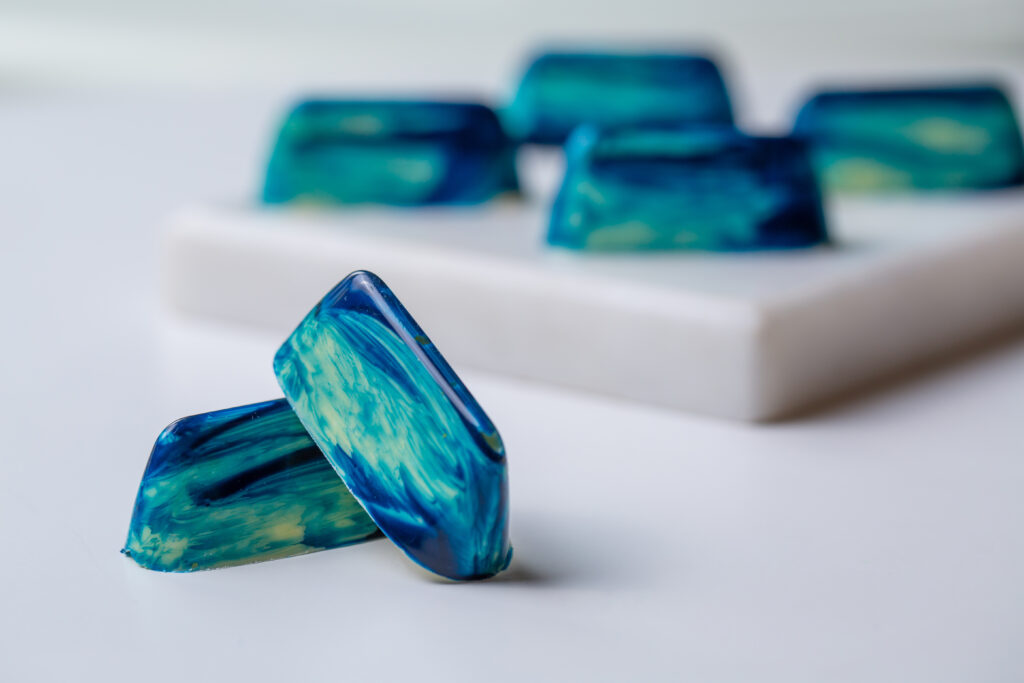
Known as the “stone of heaven,” jadeite is one of the most valuable and culturally significant gemstones in the world. For thousands of years, jadeite has enthralled civilizations with its captivating green hues, exceptional durability, and deep spiritual legacy. The geological origins, physical characteristics, metaphysical advantages, real-world uses, and crucial maintenance advice of jadeite are all covered in this extensive reference.
What is Jadeite Stone?
The pyroxene mineral jadeite is commonly mistaken for its cousin nephrite. Although the two stones are comparable, jadeite has a more vitreous sheen and a higher hardness (6.5-7 on the Mohs scale). This uncommon gem is usually found in metamorphic rocks close to tectonic plate borders, where it forms under extreme pressure and low temperature. There are significant deposits in Kazakhstan, Japan, Guatemala, and Myanmar (Burma).
Jadeite vs. Nephrite: Key Differences
Nephrite is a calcium magnesium iron silicate, whereas jadeite is a sodium aluminum silicate.
Durability: Because of its interconnecting fibrous structure, nephrite is more resilient than jadeite.
Value: The most expensive gemstone on the market is imperial jadeite, or emerald green.
Transparency: Generally speaking, jadeite is more translucent than nephrite.
Colors and Types
The color spectrum of jadeite goes considerably beyond the well-known green:
- The most valuable transparent emerald-green variation is Imperial Jade.
- Lavender Jade: Well-liked for its deep violet to light purple colors
- Ice Jade: Almost translucent, resembling glass
- Bright, vivid green that resembles the fruit is called apple green jade.
- Black Jade: An uncommon deep-black type valued for its protective qualities
- Cultural and Historical Importance
Around the world, jadeite has great cultural significance. - Ancient China: regarded as the “imperial gem” that stood for virtue, purity, and prestige
- Mesoamerica: Maya and Aztec cultures used it in ceremonial masks and ritual artifacts.
- In Maori culture, hei-tiki pendants that symbolize ancestry are carved.
- Globally, modern symbolism is linked to good fortune, wealth, and emotional equilibrium.
- Metaphysical Characteristics and Therapeutic Advantages
In crystal healing techniques, jadeite is still very sought after:
Emotional Benefits:
-
Promotes emotional stability and inner peace
-
Encourages self-acceptance and releases negative patterns
-
Enhances dream recall and interpretation
-
Supports during times of transition or grief
Physical Healing Properties:
-
Believed to support kidney and immune system function
-
Traditionally used to aid reproductive health
-
Thought to improve skin elasticity and complexion
-
May help regulate blood pressure and circulation
Spiritual Applications:
-
Connects heart chakra with universal love energy
-
Facilitates shamanic journeying and past-life recall
-
Enhances meditation practices and spiritual growth
-
Attracts abundance and harmonious relationships
Jewelry and Adornment:
Jadeite’s durability makes it ideal for everyday wear:
-
Carved Pendants: Often features symbolic motifs like dragons, peaches, or Buddhas
-
Beaded Bracelets: Popular for both style and metaphysical benefits
-
Cabochon Rings: Showcases the stone’s color and translucency
-
Earrings and Hair Accessories: Adds elegance to any outfit
Collecting and Investment:
The jadeite market has seen unprecedented growth:
-
Auction records exceed $30 million for single pieces
-
Color, transparency, and texture significantly impact value
-
Imperial jadeite remains the most sought-after variety
-
Certification from reputable labs (GIA, Gubelin) is essential
Home and Decor:
-
Sculptures and Carvings: From small figurines to museum-quality artworks
-
Feng Shui Applications: Placed in wealth corners to attract abundance
-
Meditation Spaces: Creates a calming, harmonious atmosphere
How to Identify Authentic Jadeite
Visual Inspection:
-
Look for natural color variations and subtle imperfections
-
Examine under magnification for the characteristic granular structure
-
Beware of dyed stones showing color concentration in cracks
Professional Testing:
-
Refractive index (1.65-1.67)
-
Specific gravity (3.30-3.38)
-
Spectroscopic analysis reveals characteristic absorption bands
Common Treatments and Imitations:
-
Type A: Natural, untreated (most valuable)
-
Type B: Bleached and polymer-impregnated
-
Type C: Dyed to enhance color
-
Imitations: Glass, chrysoprase, and manufactured composites
Caring for Your Jadeite Stone
Cleaning and Maintenance:
-
Use mild soap and lukewarm water with a soft cloth
-
Avoid ultrasonic cleaners and steam cleaning
-
Store separately to prevent scratching
-
Remove before swimming or using harsh chemicals
Energetic Cleansing:
-
Moonlight bathing during full moons
-
Smudging with sage or palo santo
-
Sound cleansing with bells or singing bowls
-
Burying in earth overnight to recharge
Conclusion
The stone jadeite symbolizes the ideal balance of metaphysical strength, cultural relevance, and natural beauty. This extraordinary diamond has something to offer everyone, regardless of whether you are drawn to it for its medicinal qualities, historical significance, or breathtaking beauty. You can continue to benefit from jadeite for many generations to come if you are aware of its qualities and take good care of it.