
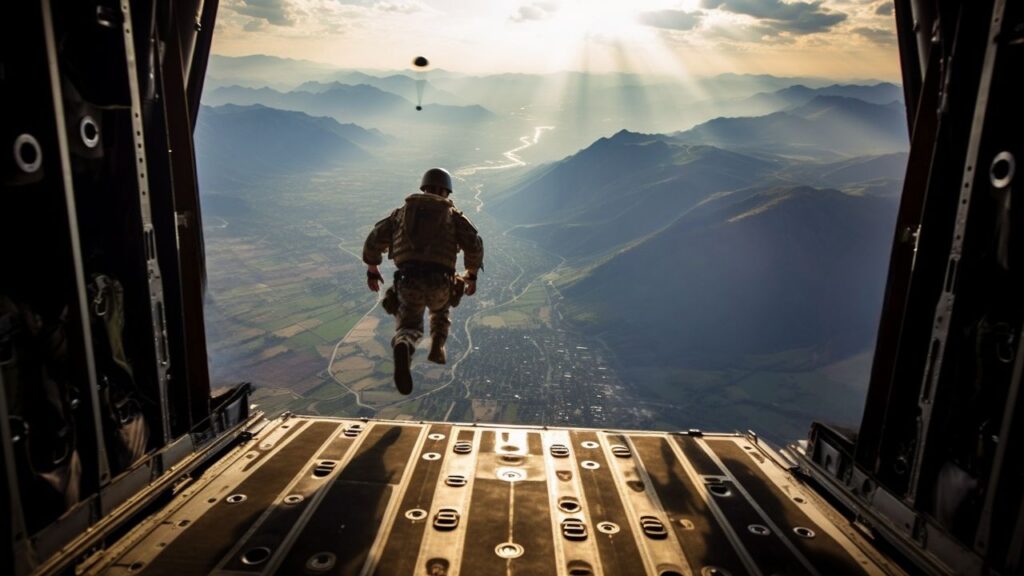
Base jumping stands as one of the most extreme and pure forms of human flight. It involves parachuting from fixed objects, with the acronym “BASE” representing the four categories of launch points: Building, Antenna, Span (bridges), and Earth (cliffs). Unlike skydiving, which involves jumping from aircraft at high altitudes with significant time for freefall and parachute deployment, BASE jumping occurs at much lower altitudes. This proximity to the object and the ground creates a breathtakingly short window for action—often just 2 to 10 seconds of freefall—demanding impeccable skill, nerves of steel, and meticulous planning. It is not a sport for the casual thrill-seeker; it is a discipline that resides at the razor’s edge of adventure sports.
The Anatomy of a Base Jump: Breaking Down the Moments
A successful BASE jump is a symphony of split-second decisions and perfected techniques. The process can be dissected into several critical phases:
-
The Exit: The launch is everything. A stable, controlled exit from the object sets the stage for the entire jump. Jumpers must combat “object fixation” and push away cleanly to achieve a stable body position immediately.
-
The Freefall: This is the shortest, most intense freefall in parachuting. With terminal velocity (around 120 mph) reached in just 5 seconds, there is no time for error. Body position is crucial to maintain stability and trajectory away from the object.
-
The Deployment: Parachute deployment is typically initiated at a pre-determined altitude or time. Given the low altitude, deployment must be rapid and on-heading (with the canopy opening straight ahead) to avoid oscillation or collision.
-
The Flight and Landing: After the canopy opens, the jumper has mere seconds to assess their landing approach, navigate any obstacles, and execute a precision landing in often confined and challenging terrain.
Essential Base Jumping Gear: Your Lifeline in a Minimalist Package
BASE gear is specialized, emphasizing lightness, rapid deployment, and simplicity compared to skydiving rigs.
-
The BASE Parachute: Typically a single-canopy system (no reserve) with a larger surface area than a skydiving canopy. This allows for slower, softer landings in tight areas. Canopies are often “elliptical” for performance but require greater piloting skill.
-
The Container/Harness: A streamlined, lightweight harness that holds the parachute. It features a simple pilot chute deployment system, often a hand-deployed “throw-out” pouch or a static line for incredibly low jumps.
-
The Helmet: A must for protecting the head from both the object during exit and the ground upon landing.
-
The Suit: Wingsuits have revolutionized BASE, adding a third dimension to the flight. By increasing surface area, wingsuit BASE (or “Proximity Flying”) allows jumpers to glide horizontally at incredible speeds, flying down mountain faces rather than just descending vertically.
-
Altitude Indicator: A critical tool, usually an audible altimeter that beeps at pre-set altitudes, reminding the jumper of deployment height in the sensory overload of freefall.
The Unforgiving Risks: Why Base Jumping is the World’s Most Dangerous Sport
The statistics are stark. BASE jumping has a fatality rate estimated to be many times higher than skydiving. The risks are inherent and ever-present:
-
Low Altitude: The defining risk. There is no margin for error in deployment timing and no reserve parachute as a backup in most cases.
-
Object Proximity: The primary danger is collision with the very object you jumped from—a cliff face, a bridge beam, or a building. “Strike” is a constant threat during exit and initial freefall.
-
Limited Landing Zones: BASE jumpers often land in rocky, uneven, or confined areas, requiring expert canopy piloting skills.
-
Equipment Malfunction: While rare with proper gear and packing, a parachute malfunction at low altitude is often unrecoverable.
-
Human Error: This is the most significant factor. Misjudging altitude, wind conditions, exit technique, or landing approach can have immediate and fatal consequences.
-
Legal and Access Issues: The sport often exists in a legal gray area, leading to potential arrests, fines, and strained relationships with authorities and landowners.
The Mental and Physical Preparation: Are You Cut Out For It?
Becoming a BASE jumper is a long, disciplined journey. There is no official certification, but a universal and non-negotiable path exists:
-
Become an Expert Skydiver: The universal prerequisite is a minimum of 150-200 skydives. This builds essential air awareness, freefall control, and parachute flying skills in a higher, safer environment.
-
Mentorship: The BASE community is tight-knit and self-regulating through mentorship. An experienced jumper will guide a “novice” through their first objects, starting with low, clean cliffs (like the Perrine Bridge in Idaho, legal for BASE) to learn techniques without object strike danger.
-
Physical Fitness: Core strength, flexibility, and cardiovascular health are vital for stable exits, withstanding opening shocks, and handling demanding hike-ups to remote exits.
-
Mental Fortitude: The psychological demand is immense. Jumpers must manage fear, maintain hyper-focus, and make calm, calculated decisions under extreme stress and time pressure.
Iconic Base Jumping Locations Around the Globe
BASE jumpers pilgrimage to legendary sites that offer unique challenges and breathtaking scenery:
-
Kjerag (Norway): The spiritual home of modern BASE jumping. This massive granite cliff plunges over 3,000 feet into Lysefjorden, offering a long freefall by BASE standards.
-
The Perrine Bridge (Twin Falls, Idaho, USA): The only man-made structure in the United States where BASE jumping is legal year-round without a permit, making it the world’s most popular training ground.
-
The Kuala Lumpur Tower (Malaysia): A pinnacle of urban BASE, featured in documentaries and films. Jumping from such structures is almost always illegal and involves significant planning and stealth.
-
The Eiger (Switzerland): The ultimate alpine BASE objective, combining extreme climbing with a technical jump from one of the most fearsome mountains in the Alps.
-
Angel Falls (Venezuela): The world’s highest waterfall provides a surreal jump through mist and rainbows in a remote jungle setting.
The Wingsuit Revolution: From Falling to Flying
Wingsuit BASE jumping has pushed the boundaries of the sport further. By wearing a suit with fabric wings between the legs and arms, jumpers can achieve glide ratios of 3:1 (traveling three feet forward for every foot descended). This allows them to fly along mountain ridges, through valleys, and past geological features at speeds exceeding 100 mph. “Proximity flying”—flying exceptionally close to terrain—is the most dangerous and visually spectacular subset, requiring god-like skill and spatial awareness. It has been immortalized in films like “The French Birdman” and documentaries following pioneers like Jeb Corliss and the late, great Uli Emanuele.
The Legal and Ethical Landscape
BASE jumping is largely illegal in urban environments and many national parks due to safety, liability, and nuisance concerns. This has created a “outlaw” image, though the community largely advocates for responsible practices. Ethical jumping emphasizes:
-
Permission: Seeking landowner or authority approval where possible.
-
Discretion: Minimizing environmental impact and public disturbance.
-
Safety: Not risking the lives of first responders or bystanders.
-
Community Stewardship: Protecting jump sites by leaving no trace and maintaining positive local relations.
Conclusion: The Allure of the Abyss
Base jumping is more than a sport; it is a profound and personal exploration of fear, freedom, and human capability. It offers an unparalleled, raw experience of flight—a pure, unpowered, and intimate dialogue with gravity and geography. For its practitioners, the reward is not just adrenaline, but a state of hyper-presence and a perspective on life that few will ever know. It is a pursuit that demands absolute respect, relentless preparation, and an acceptance of the ultimate consequence. The sky is not the limit for a BASE jumper; the Earth is, and in those fleeting seconds between the two, they find a lifetime of meaning.