
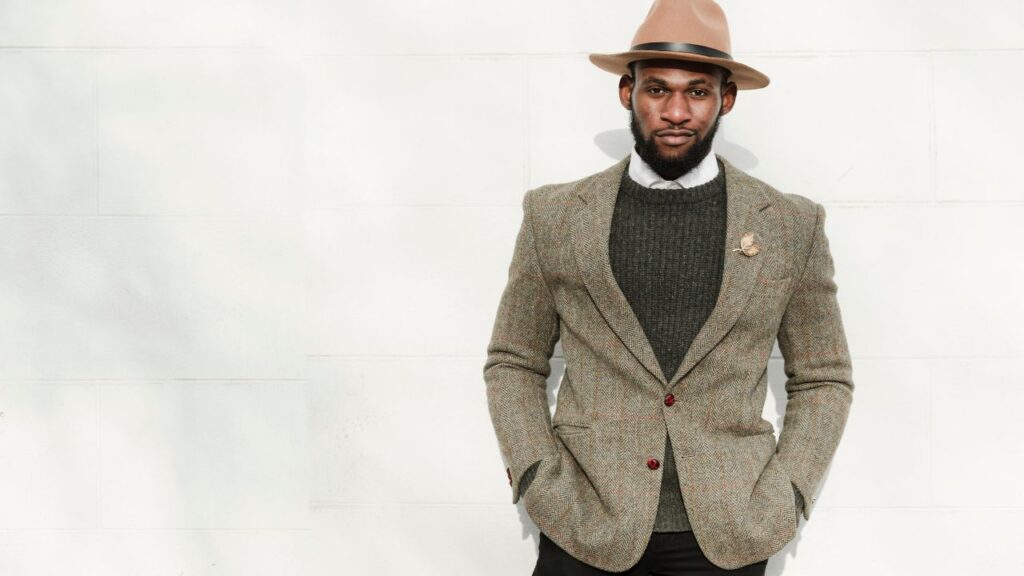
The 1970s remain one of the most iconic and influential decades in men’s fashion history. Marked by a dramatic shift from the conservative styles of the ’50s and ’60s, 70s fashion for men embraced flamboyance, individuality, and a fascinating blend of contrasting trends. From the sleek sophistication of disco to the rugged anti-establishment vibe of counterculture, men’s wardrobes expanded with color, texture, and personality. This deep dive explores the key styles, essential garments, and lasting legacy of 1970s men’s fashion, providing a comprehensive look at how the decade redefined masculine style.
The Cultural Backdrop: Why the 70s Were a Fashion Revolution
To understand the fashion, one must first appreciate the era. The 1970s was a decade of profound social change and cultural fragmentation. The Vietnam War, the Watergate scandal, and the economic oil crisis created a climate of disillusionment, while simultaneously, movements for civil rights, women’s liberation, and environmentalism gained momentum. This dichotomy was perfectly reflected in fashion.
On one hand, there was a desire for escapism—seen in the glittering fantasy of disco. On the other, a move towards naturalism and rebellion—embodied by hippie bohemia and punk’s raw edge. Television and film also became powerful style drivers, with icons like John Travolta in Saturday Night Fever, Robert Redford in The Great Gatsby, and the effortlessly cool Steve McQueen shaping millions of wardrobes. Men’s fashion was no longer monolithic; it became a toolkit for personal identity.
The Major Style Tribes of 1970s Men’s Fashion
1. Disco & Glam Rock: The Peak of Flash
The disco scene, exploding from clubs like Studio 54, championed unapologetic glamour. This look was all about allure, nightlife, and peacocking.
-
Key Pieces: The iconic three-piece suit with wide, flared trousers (often in shiny fabrics like polyester or rayon). Jackets were fitted with wide, padded lapels—the wider, the better. Shirts were bold, featuring deep, pointed collars, often worn open to showcase gold chains and medallions against a chest of hairy masculinity.
-
Fabrics & Colors: Glossy textures, velvet for blazers, and eye-catching patterns. Colors were rich: deep burgundies, electric blues, emerald greens, and of course, pure, dazzling white for the dance floor.
-
Footwear: Platform shoes (sometimes with heels) were essential for adding height and drama. Leather loafers also remained popular.
-
Icons: John Travolta, Barry Gibb of the Bee Gees, and the flamboyant styles of glam rockers like David Bowie and Elton John.
2. The Bohemian/Hippie Influence: Laid-Back and Natural
A carryover from the late ’60s, the bohemian style rejected mainstream consumerism in favor of global, handcrafted, and natural elements.
-
Key Pieces: Flared jeans (bell-bottoms) were the universal staple. They were paired with peasant blouses, tie-dye t-shirts, and fringed suede jackets. The peacoat and military surplus jackets were also common.
-
Fabrics & Colors: Battered denim, corduroy, suede, and cotton. Earth tones dominated—mustard yellow, burnt orange, olive green, and brown—along with psychedelic prints and paisley patterns.
-
Accessories: Headbands, beaded necklaces, peace sign pendants, and round, tinted glasses (like John Lennon specs). Long hair and beards completed the look.
-
Icons: Musicians like Bob Dylan, James Taylor, and the members of Led Zeppelin epitomized this rugged, free-spirited aesthetic.
3. The Smooth & Sophisticated: Leisure Suits and Casual Elegance
A unique and now infamous innovation of the ’70s was the leisure suit. Designed as a stylish yet comfortable alternative to formal wear, it consisted of a matching jacket and trousers made from casual fabrics like polyester, double-knit, or textured weaves. Often worn with a contrasting shirt (think a patterned or colorful shirt underneath a beige or navy suit), it symbolized a new, more relaxed approach to “dressing up.”
-
Key Pieces: The leisure suit itself, along with turtleneck sweaters (a huge trend), tailored slacks, and patterned dress shirts.
-
Footwear: Often paired with dressy loafers or low-heeled boots.
4. The Athletic & Rugged: The Rise of Sportswear
The ’70s saw the beginning of sportswear’s infiltration into everyday style. Track jackets, rugby shirts, and sneakers started to move from the gym to the street.
-
Key Pieces: The iconic track suit (terrycloth or nylon), v-neck sweaters, polo shirts, and durable workwear like denim jackets and sturdy boots.
-
Footwear: Classic sneakers like the Adidas Stan Smith or Nike Cortez gained traction, alongside rugged hiking boots.
5. The Punk & Rebel Edge: Anti-Fashion Arrives
Towards the latter half of the decade, particularly in the UK, punk fashion emerged as a violent reaction to the excess of disco and the complacency of mainstream culture. It was DIY, aggressive, and intentionally shocking.
-
Key Pieces: Tight, ripped black jeans, leather jackets adorned with studs, pins, and patches, band t-shirts (often ripped or altered), and combat boots.
-
Fabrics & Details: Leather, ripped denim, tartan, and safety pins as jewelry. Hairstyles were mohawks or spiked, dyed hair.
-
Icons: The Sex Pistols, The Clash, and a young Debbie Harry.
The Essential Wardrobe Items for a 1970s Man
-
Flared/Bell-Bottom Trousers: The single most definitive item. They started at the thigh and widened dramatically from the knee down.
-
The Wide-Lapel Jacket: Whether part of a suit, a blazer, or a leisure suit, the lapel was a statement of width and confidence.
-
The Turtleneck: A sleek, modern alternative to the tie, worn under suits, with blazers, or on its own.
-
Platform Shoes: Ranging from subtle to extreme, they added a rockstar edge to any outfit.
-
Denim on Denim: The Canadian tuxedo (denim jacket with denim jeans) was fully embraced.
-
Statement Shirts: Bold prints (floral, geometric, paisley), loud stripes, and massive collars were the norm.
The Legacy: How 70s Men’s Fashion Influences Style Today
The impact of the 1970s is cyclical and undeniable. Designers consistently return to this decade for inspiration. Key elements that have seen major revivals include:
-
Flared and Wide-Leg Trousers: Moving beyond the skinny jean, modern fits have fully embraced the flare and wide silhouette.
-
Statement Collars and Prints: The bold, patterned shirt is a perennial comeback star.
-
Earth Tones and Color Palettes: The ’70s color palette of ochre, rust, avocado, and brown is a constant in fall/winter collections.
-
The Turtleneck as a Layering Piece: Its sophisticated utility remains unchallenged.
-
Embracing Texture: Velvet, corduroy, and suede continue to be celebrated for adding depth and interest to menswear.
Incorporating 70s Style into a Modern Wardrobe
The key to wearing ’70s inspiration today is subtlety and selective incorporation. Avoid head-to-toe period costume. Instead, choose one or two key pieces to serve as a statement.
-
Pair a wide-lapel blazer with straight-leg trousers and a simple tee for a balanced look.
-
Wear a flared corduroy pant with a fitted, modern sweater.
-
Use a bold, patterned shirt as the focal point, keeping the rest of your outfit neutral and contemporary.
-
Add a turtleneck under a contemporary suit for instant ’70s-inspired sophistication.
-
Incorporate accessories like a vintage watch with a leather strap or a simple medallion necklace.
Conclusion: More Than Polyester and Kitsch
While often remembered for its most extreme polyester and platform shoe moments, 1970s men’s fashion was fundamentally about freedom and self-expression. It shattered previous rules, offered a smorgasbord of styles to choose from, and encouraged men to experiment with color, pattern, and silhouette in unprecedented ways. It was the decade that proved men’s fashion could be fun, flamboyant, rugged, and refined—often all at once. By understanding its diverse trends, we gain not just a history lesson, but a rich source of inspiration for building a more expressive and individual wardrobe today. The spirit of the ’70s—the courage to stand out—remains its most enduring and stylish legacy.